
Table of Contents
- What You’ll Need Before Starting
- Understanding Biblical Studies Certificate Options
- Biblical Studies Certificate Duration and Time Commitment
- Cost of Biblical Studies Certificate and Affordability
- Step-by-Step Process to Enrol
- Career Pathways and Ministry Applications
- Common Mistakes to Avoid
- Conclusion
Last Updated: August 21, 2026
What You’ll Need Before Starting
Pursuing a certificate in biblical studies requires minimal upfront investment beyond commitment and basic access to learning materials. You’ll need a reliable internet connection and a device capable of accessing course content. Some institutions allow offline downloads for students in areas with spotty connectivity, so confirm this before enrolling if you’re in a geographically isolated region.
You’ll also need realistic expectations about time. Most students report needing 10-15 hours per week to progress steadily, though this varies based on prior theological knowledge and reading speed (peer-reviewed research). If you’re juggling a full-time pastorate and family responsibilities, be honest about whether you can carve out that time consistently.
Finally, clarify what you’re seeking from the certificate before starting. Are you pursuing it for personal spiritual growth, to strengthen your current ministry role, or to formally credential yourself for advancement? The answer shapes which program and subjects you prioritize.
Check whether your chosen provider allows offline downloads of course materials. If you’re in a rural area with unreliable internet, this feature can be the difference between completing your studies and dropping out mid-semester.
Understanding Biblical Studies Certificate Options
A certificate in biblical studies comes in two distinct flavors: accredited and non-accredited. Understanding the difference is crucial because it affects how churches, denominations, and employers view your qualification.
Accredited vs Non-Accredited Bible Certificates
Accredited certificates carry institutional weight. They’ve been evaluated against national or international standards by an independent body, in this market, that typically means membership in organisations like ACEA (Apostolic Council for Educational Accountability), which verifies that programs meet rigorous academic and theological standards. When you complete an accredited certificate, you’re holding a credential that churches, denominations, and other educational institutions recognise as legitimate.
Non-accredited certificates come from providers who’ve chosen not to pursue formal accreditation. This doesn’t automatically mean they’re inferior, but a non-accredited certificate carries less institutional credibility. If you’re planning to use this qualification to advance in ministry, secure a paid pastoral role, or transfer credits toward a degree, accreditation matters significantly.
Vision Bible College holds charter membership in ACEA, which means your certificate carries recognised standing within the broader Christian education landscape. For active pastors and church leaders, this opens more doors.
If you’re planning to use your certificate to advance in ministry or transfer to a degree program, verify accreditation before enrolling. Some employers and denominations won’t recognise non-accredited qualifications.
Online vs On-Campus Delivery
Most biblical studies certificates now operate online, suiting the lives of working pastors and lay leaders far better than fixed classroom schedules.
Online delivery means you study when your schedule allows, early mornings, late evenings, or weekends. You access lectures, readings, and assignments through a learning portal and work through material at your own pace. This flexibility is the primary reason people choose online study.
On-campus programs offer synchronous learning: you attend classes at set times and interact with instructors and peers in real time. The downside is obvious, you need to be physically present, which doesn’t work if you’re leading a church in a rural area or juggling multiple commitments.
A growing middle ground is hybrid delivery: you complete most coursework online but attend occasional in-person intensives. For most practising ministers, online self-paced study wins. Vision Bible College’s model lets you study from anywhere, which matters if you’re in geographically isolated areas.
Biblical Studies Certificate Duration and Time Commitment
Most certificates span 12 to 24 months of active study, assuming consistent engagement. Some compress into 9 months if you study full-time; others stretch to 3 years if you move slowly.
A typical certificate requires 600-1,200 hours of coursework (nces.ed.gov). Divide that by your realistic weekly commitment, and you get your timeline. If you can manage 15 hours per week, a 900-hour certificate takes roughly 60 weeks, or just over a year. If you can only manage 8 hours weekly, the same program takes 18 months.
The mistake most people make is overestimating their available time. Adding 10-15 hours of serious theological study weekly is substantial. Many providers, including Vision Bible College, offer modular structures that let you spread study across flexible timeframes or pause between subjects if life circumstances demand it.
Expect 12-24 months for a certificate in [biblical studies](/online-bible-college-for-busy-pastors-study-at-your-pace/) if you study consistently at 10-15 hours per week. The actual timeline depends entirely on your weekly commitment and the program’s structure.
Cost of Biblical Studies Certificate and Affordability
Cost varies significantly across providers and program structures. Affordability typically hinges on three factors: the number of subjects you take, whether the provider offers fee-help or payment plans, and whether you qualify for any subsidies or grants.
Many Australian providers accept FEE-HELP, a government loan scheme that lets you defer tuition costs until you earn above a certain threshold. Some providers also offer payment plans that spread costs across your study period, reducing the monthly burden.
Vision Bible College positions itself as an affordable option in the theological education space, with flexible payment structures designed to suit pastors and lay leaders on modest incomes. A practical approach: contact providers directly for transparent pricing and ask about fee-help eligibility, payment plans, and any discounts for full-time ministry workers. Don’t assume the cheapest option is the best, accreditation, curriculum quality, and student support matter more than saving a few hundred dollars.
Step-by-Step Process to Enrol
Enrolling in a certificate in biblical studies is straightforward, though the exact steps vary slightly by provider. Here’s the general pathway.
Step 1: Choose Your Study Stream and Subjects
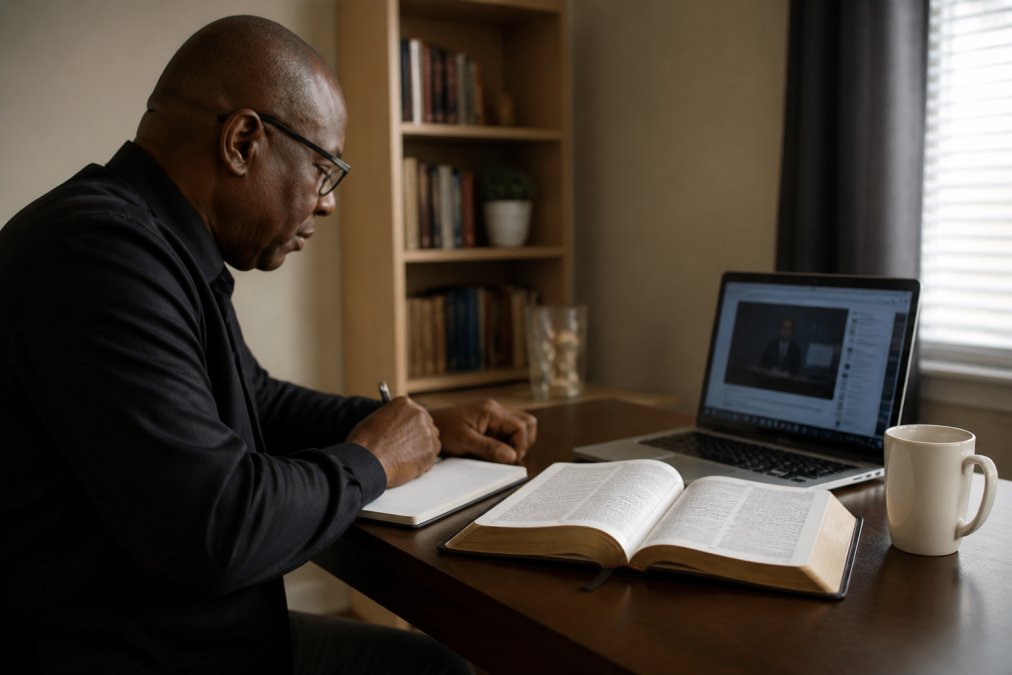
Before formally applying, decide which subjects align with your ministry needs and theological interests. Most programs offer flexibility, you’re not locked into a preset track. You might focus on biblical interpretation if you’re a preacher, or pastoral care if you’re training lay leaders.
Vision Bible College offers over 100 subjects across multiple theological disciplines, so you can tailor your studies to your role. Choose subjects that directly serve your ministry context rather than generic theology courses that don’t apply to your work. finding spiritual mentorship.
Step 2: Meet Entry Requirements
Most certificates require minimal formal entry qualifications, typically Year 10 completion or equivalent. Some programs ask for a statement of intent or pastoral reference. Vision Bible College’s entry requirements are designed to be accessible, you don’t need prior theological training or formal qualifications. What matters is your commitment to the subject and your ability to engage with academic-level reading and writing.
If you haven’t completed formal schooling, don’t assume you’re ineligible. Many providers offer pathways for mature-age students. Contact the provider directly about your situation.
Step 3: Complete Your Enrolment
Once you’ve confirmed you meet entry requirements and chosen your subjects, you’ll complete an enrolment form, usually online. You’ll provide personal details, contact information, and confirm your chosen subjects and study load. At this stage, you’ll also arrange payment or confirm your fee-help eligibility. Most providers process enrolments within a few business days and provide login credentials for the learning portal.
Step 4: Begin Self-Paced Study
After enrolment, you gain access to the learning management system where all course materials live. You’ll find lecture notes or videos, required readings, discussion forums, and assessment tasks. The self-paced model means there’s no fixed start date for your cohort, you begin when you’re ready.
Most providers recommend completing one subject every 4-8 weeks. You submit assignments, receive feedback from tutors, and progress at your rhythm. If you need to pause due to a pastoral crisis or family emergency, most programs allow temporary suspension without penalty.
Set a fixed weekly schedule for study and treat it as non-negotiable. This creates the structure that self-paced programs lack.
Career Pathways and Ministry Applications
A certificate in biblical studies opens several pathways depending on your starting point and credentials.
For lay leaders and church volunteers, the certificate strengthens your ability to teach Bible studies, lead small groups, and contribute meaningfully to church leadership. Many churches specifically seek leaders with formal theological training.
For practising pastors, the certificate formalises your theological foundation. If you entered ministry through mentorship rather than formal training, a certificate adds credibility with denominations and other churches. It also positions you for advancement into denominational roles or multi-site leadership.
For aspiring ministers without prior credentials, a certificate is often the first step toward ordination or further study. Many denominations accept a certificate as a foundation for a degree program. Vision Bible College’s certificates carry academic credit that often transfers toward higher qualifications.
Common Mistakes to Avoid
Several predictable mistakes derail people pursuing a certificate in biblical studies.
Underestimating time commitment. People enrol thinking "it’s self-paced, so I’ll fit it in" and discover that serious theological study demands consistent, focused time. If you can’t commit 10-15 hours weekly, be honest about it.
Choosing subjects that don’t serve your context. Take subjects that directly apply to your ministry, not ones that sound interesting or are provider recommendations.
Ignoring accreditation. If you might later transfer credits, seek ordination, or advance in ministry, accreditation matters. A non-accredited certificate won’t carry the same weight as one from an ACEA-member institution like Vision Bible College.
Not engaging with community. Even in self-paced programs, most providers offer discussion forums or optional live sessions. Isolation is a common reason people drop out.
Assuming cheaper equals better value. A moderately priced, accredited certificate from a reputable provider beats a bargain-basement option every time.
Conclusion
Getting a certificate in biblical studies is achievable for pastors, church leaders, and believers willing to commit consistent time and effort. The key is choosing an accredited program that fits your learning style, being realistic about your weekly time commitment, and selecting subjects that serve your actual ministry context.
Vision Bible College’s flexible, self-paced model, combined with over 100 subject options, ACEA accreditation, and individual student support, makes it a strong choice for busy ministers seeking formal theological credentials without disrupting their pastoral work. With over 50 years of experience and 150,000 students, the platform has proven it can support diverse learners across different ministry contexts.
Request an Information Pack from Vision Bible College to explore which subjects align with your ministry goals and to clarify enrollment pathways, fee-help eligibility, and realistic timelines for your situation.
Frequently Asked Questions
How long does it take to get a certificate in biblical studies?
Duration varies depending on your pace and course load. Most certificate programs range from six months to two years for full-time equivalent study, though self-paced options allow you to progress faster or slower based on your schedule. Busy pastors and church leaders often spread their studies across 18-24 months whilst maintaining their ministry responsibilities. Check with your chosen provider about their specific timelines and whether they offer accelerated pathways.
What is the difference between accredited and non-accredited bible certificates?
Accredited certificates are recognised by educational bodies and churches, meeting established standards for theological content and academic rigour. Non-accredited certificates may offer valuable learning but lack formal recognition from denominational bodies or higher education institutions. For ministry advancement, accredited qualifications carry greater weight with employers and denominations. Look for providers that are members of recognised accreditation councils to ensure your qualification is respected in professional ministry settings.
Are online biblical studies certificates recognised by churches?
Yes, online biblical studies certificates from accredited providers are widely recognised by churches and denominational organisations. Many pastors and leaders complete their qualifications online whilst serving in active ministry. Recognition depends on the provider's accreditation status and the specific denomination or church network. Before enrolling, verify that your chosen program holds accreditation from a recognised body and check whether your denomination accepts online qualifications for advancement.
Can I study offline if I have unreliable internet?
Many providers, including Vision Bible College, offer downloadable course materials and offline study options for students in remote or rural areas. You can typically download lessons, scripture texts, and assignments to study at your own pace without constant internet access. Check with your provider about their technical requirements and offline capabilities before enrolling, especially if you're in an area with limited connectivity.
This article was written using GrandRanker